Press resources
Biographical information, selected work, and original sources in one place. For interviews or image permissions, contact artash@stanford.edu.
50-word biography
Artash Nath is a Stanford computer science undergraduate working on autonomous systems, ocean sensing, and scientific computing. He founded You-Oceans and Stanford DroneHacks, co-leads StanfordUAV, and serves as co-president of Stanford Student Robotics. His work connects research, engineering, and public engagement, with recognition including Rise and the Gloria Barron Prize.
150-word biography
Artash Nath is a computer science undergraduate at Stanford University whose work connects autonomous systems, ocean sensing, and scientific computing. He is the founder of You-Oceans, an initiative bringing together ocean acoustics, sensing hardware, and public engagement. His earlier MonitorMyOcean and MonitorMyLockdown projects used environmental recordings to investigate ocean noise and changes in urban activity.
At Stanford, he serves as co-president of Stanford Student Robotics and co-lead of StanfordUAV. He founded and directs Stanford DroneHacks, an aerial-autonomy hackathon scheduled for November 2026. His industry experience includes a drone-engineering internship at FlyX Technologies.
Nath is a Rise Global Winner, a Gloria Barron Prize recipient, and a 2025–2026 Eureka Fellow. He received a Second Award in Earth and Environmental Sciences at Regeneron ISEF 2022. With his sister Arushi Nath, he won the Most Inspirational global category award in NASA’s 2020 Space Apps COVID-19 Challenge. His interests include research, systems, and scientific tools.
Background biography
Artash Nath works at the intersection of robotics, scientific computing, and public-good technology. A computer science undergraduate at Stanford University, he builds across software and hardware while helping create communities where others can do the same.
He founded You-Oceans, an ocean-conservation initiative connecting acoustic analysis, low-cost sensing, and public engagement. His earlier MonitorMyOcean project explored changes in underwater noise using open hydrophone data, while MonitorMyLockdown used seismic recordings to study changes in urban activity without tracking individuals. His research record includes a co-authored Springer conference chapter, youth-journal articles, and conference contributions. He also worked as a scientific volunteer with Natural Resources Canada on seismic, water, and ice conditions in the Saint Lawrence River shipping corridor.
At Stanford, Artash is co-president of Stanford Student Robotics and co-lead of StanfordUAV. He is the founder and director of Stanford DroneHacks, a student-run aerial-autonomy hackathon presented by the Stanford Robotics Center. His industry experience includes a 2026 drone-engineering internship at FlyX Technologies.
Artash is a Rise Global Winner, a Gloria Barron Prize recipient, and a 2025–2026 Eureka Fellow. He received a Second Award in Earth and Environmental Sciences at Regeneron ISEF 2022. With his sister Arushi, he won the Most Inspirational global award in the 2020 NASA Space Apps COVID-19 Challenge. His work has been featured by NASA, AWS, IRIS, and Canadian news outlets.
Selected honors
Rise Global Winner · 2021
Rise · Schmidt Futures & the Rhodes Trust. Inaugural cohort; seismic-data research.
Second Award · Earth and Environmental Sciences · 2022
Regeneron International Science and Engineering Fair. The Silence of Global Oceans.
Gloria Barron Prize for Young Heroes · 2024
Gloria Barron Prize. Recognized for ocean-monitoring work.
Eureka Fellowship for Youth Changemakers · 2025–2026
AstraZeneca Canada & Plan International Canada. Selected for the 2025–2026 cohort for work with You-Oceans.
Most Inspirational · Global Winner · 2020
NASA Space Apps COVID-19 Challenge. The Masked Scales, with Arushi Nath.
Best Hack Using a Vision Language Model · 2025
Vespa.ai · TreeHacks. Awarded to Miru, a four-person accessibility project.
Potential reporting topics
- Building hands-on autonomous-drone engineering opportunities at Stanford.
- The progression from ocean-acoustics research to low-cost robotic monitoring systems.
- Connecting AI, simulation, and physical robotics.
- Turning environmental data into public-facing scientific tools.
Project images & captions
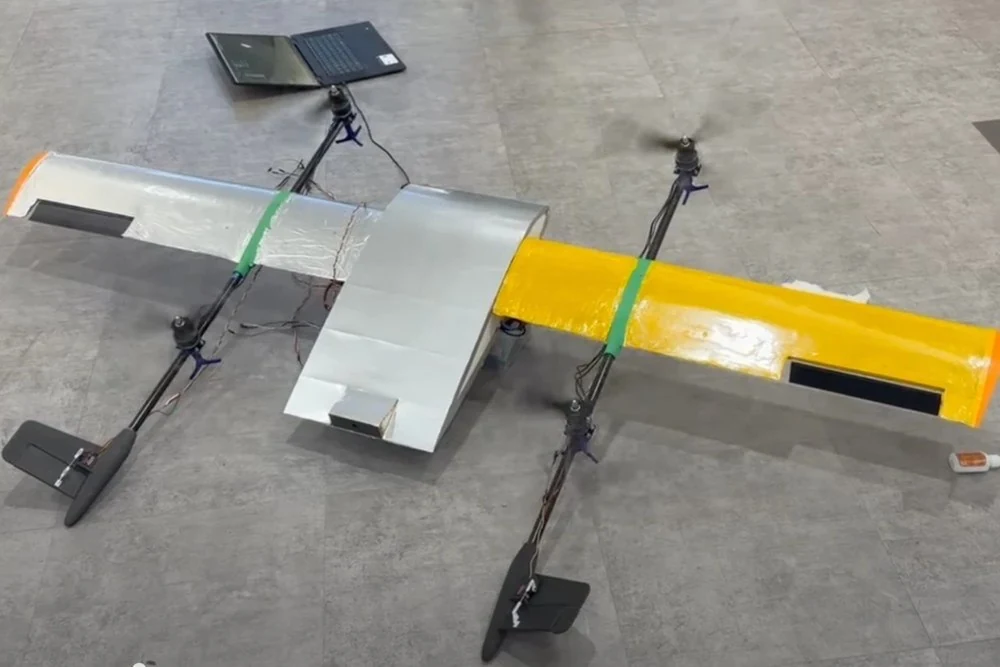
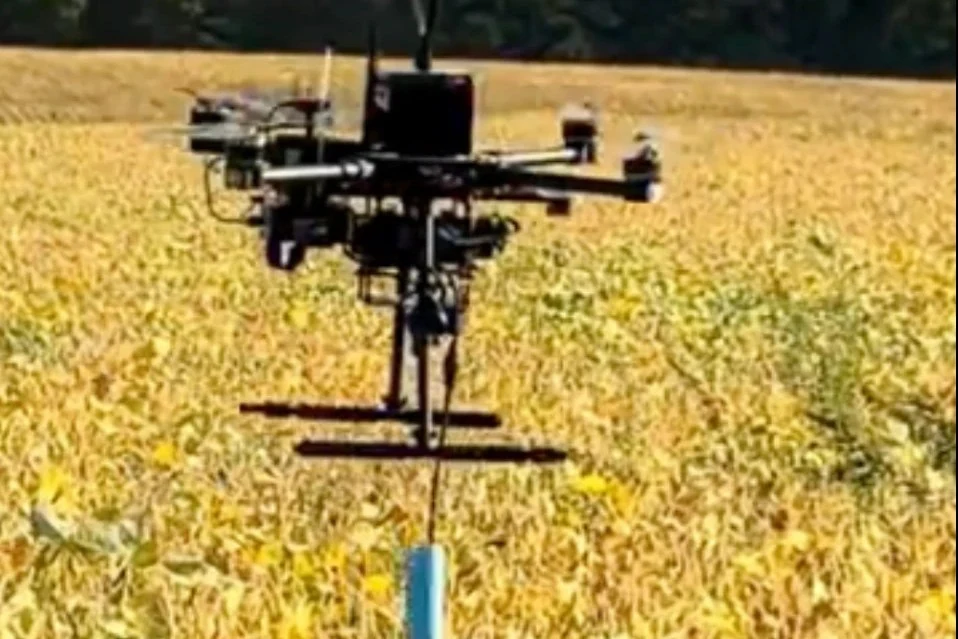
Project and portrait photographs are shown for reference. Please contact Artash to confirm publication permission, photographer credits, and collaborator consent before reuse.